Island residents
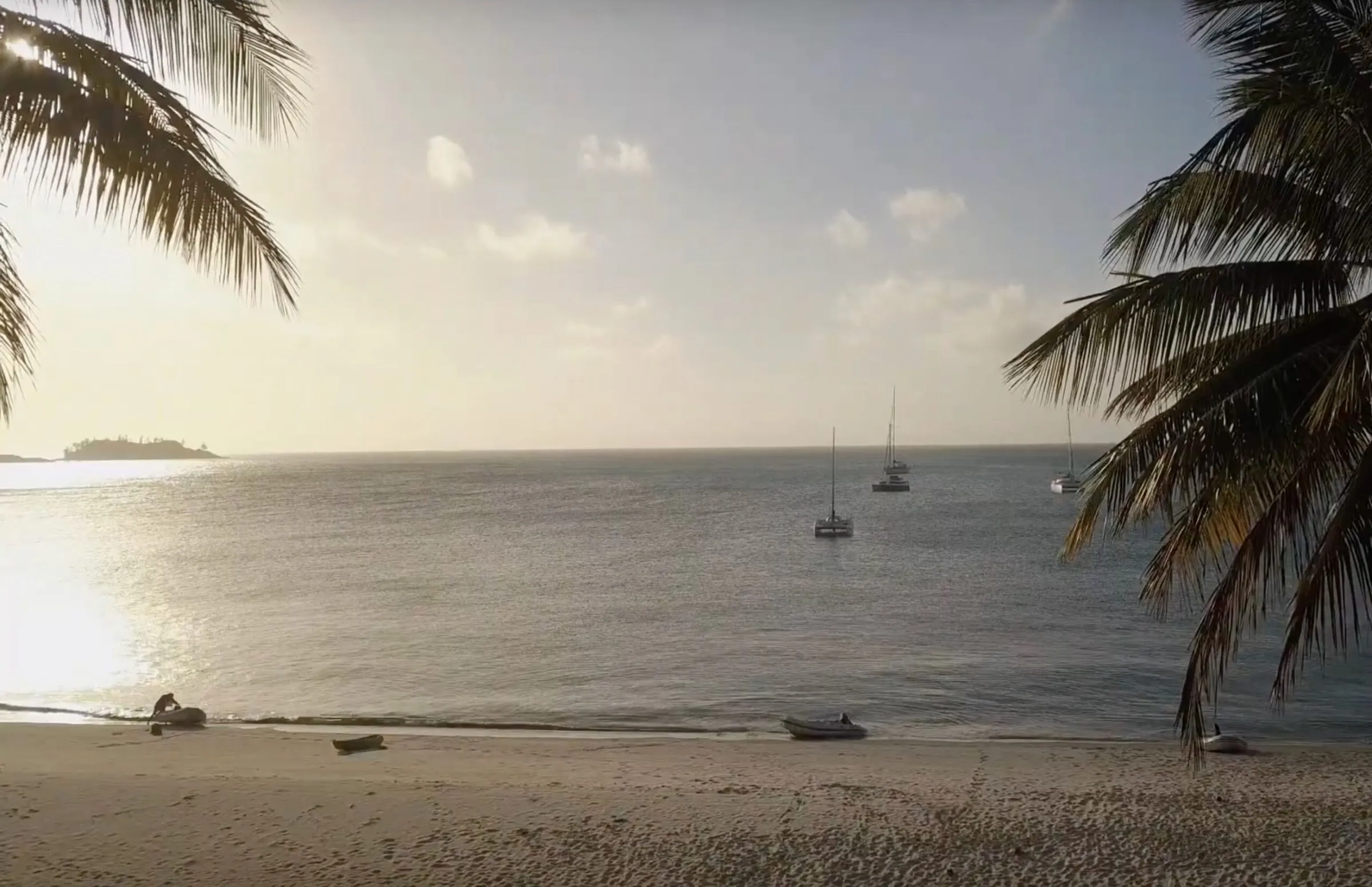
Percy Island’s custodians have a longstanding commitment to caring for the island’s ecology. Conservation is at the heart of everything we do, using the island’s resources through sustainable management practices.
Naturally, the traditional island hospitality established by Andy and the Hicklings continues to flourish. Walkers are always welcome, but due to a busy schedule, the Homestead has set times for gathering on the veranda for a chat.
Visiting West Bay
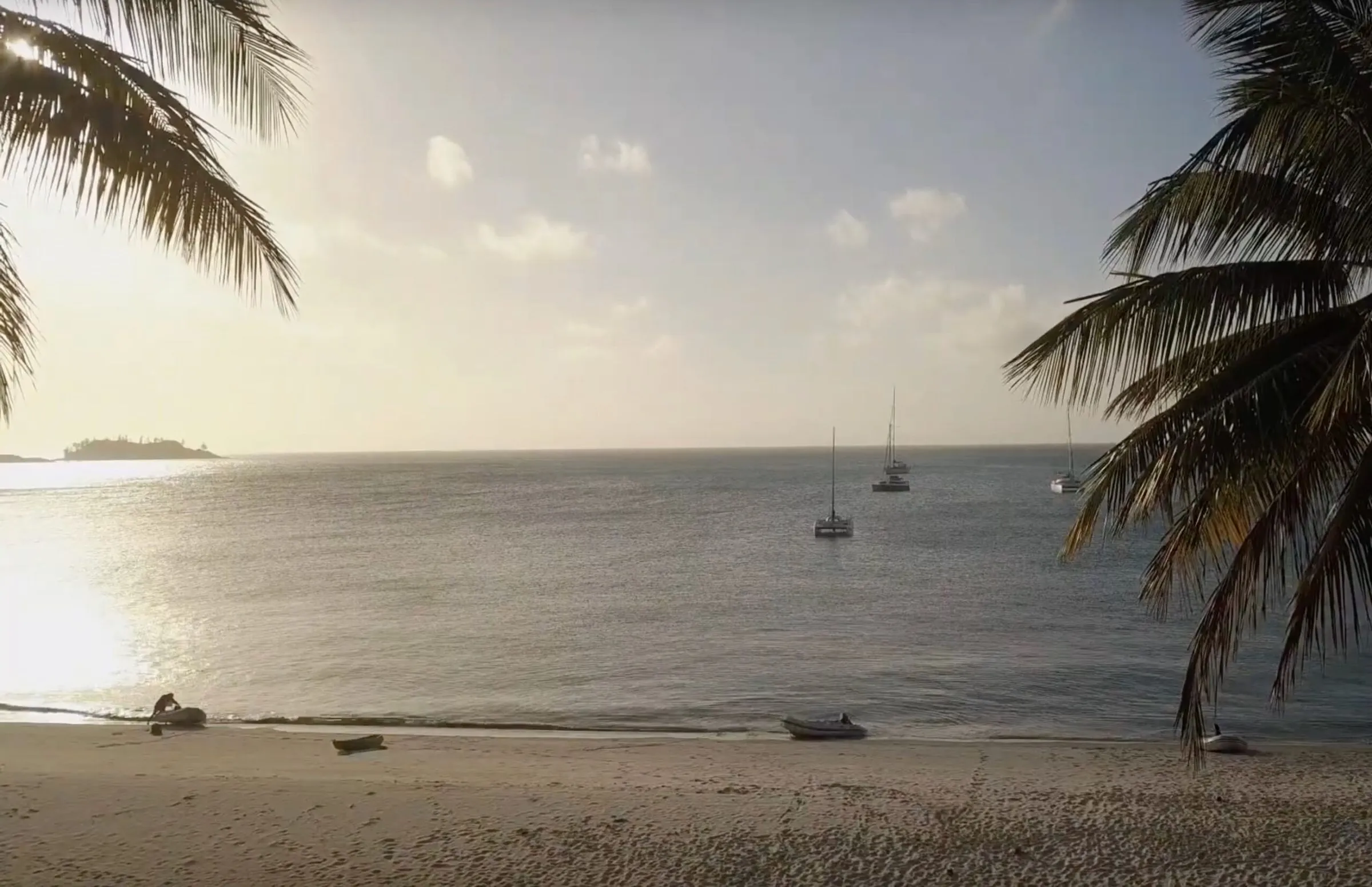
West Bay, with the A-frame meeting place, is where most visitors come ashore. Please read the camping rules and fire safety notes before you visit; the island’s native bush is an extreme fire risk.
Volunteers
Volunteers are always welcome, and there’s plenty to do: tidying the beach, stacking palm fronds ready for the mulching machine, gathering sticks for the fire pit and collecting coconuts. Please contact the Homestead before you start so we can organise a job for you. Find out more about how volunteers keep the island running on the Donate page.
Percy Island honey bees
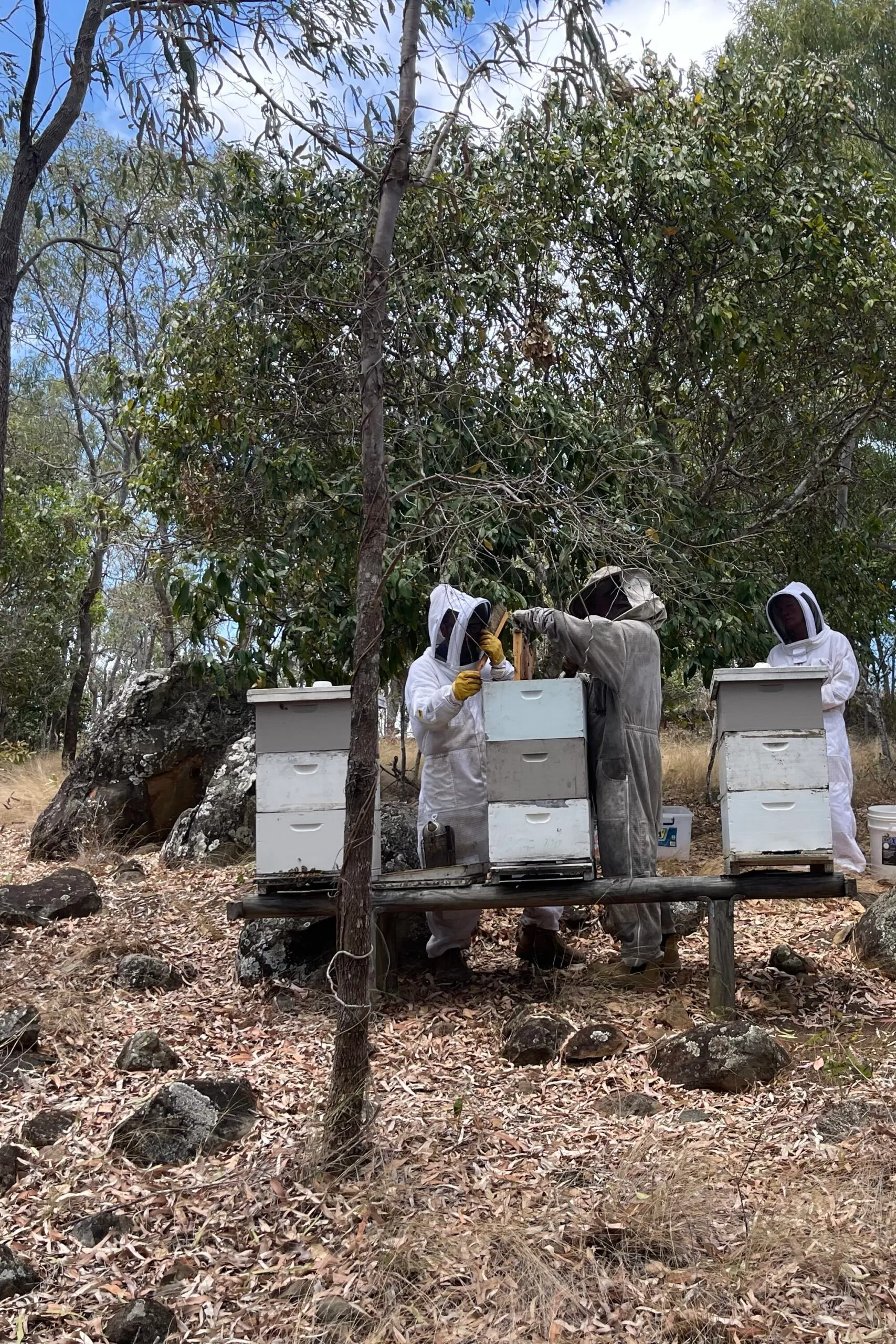
The bees are kept in three apiaries: behind the Homestead, near the Rondavel, and at the seasonal creek near the airfield. If you are allergic, please let a resident know and make sure you have your medication with you. The Homestead medical kit has antihistamines (but no EpiPen); contact the Homestead if you need help.
The famous Percy Island honey is made by Golden Italian bees, brought to the island by Andy Martin in the 1970s. As they collect nectar they also pollinate the garden crops, and they don’t seem to compete with the six or so species of native bees found in the gardens and around the island.
The native bush has regrown over the last 65–70 years, since the ring-barking of trees stopped and the 2,000 wool sheep were sold when the Whites retired in 1964.
Bees pollinate 60% of our agricultural crops, alongside other pollinators such as native bees, hoverflies, wasps, butterflies, beetles, flies, thrips and moths. Here are some ways you can help:
- Protect and restore habitats.
- Plant native nectar-bearing flowers in your garden or on your balcony.
- Offer a shallow bowl of water at waist height, with a stick or rock for insects to climb out.
- Buy honey and other hive products from your local beekeeper.
- Raise awareness of the importance of bees, and teach children about them.
- Set up a pollinator patch in your garden or on your balcony.
- Only use pesticides that don’t harm bees, and spray in still weather, early in the morning or late in the evening when the bees have returned to the hive.
Green turtle nesting
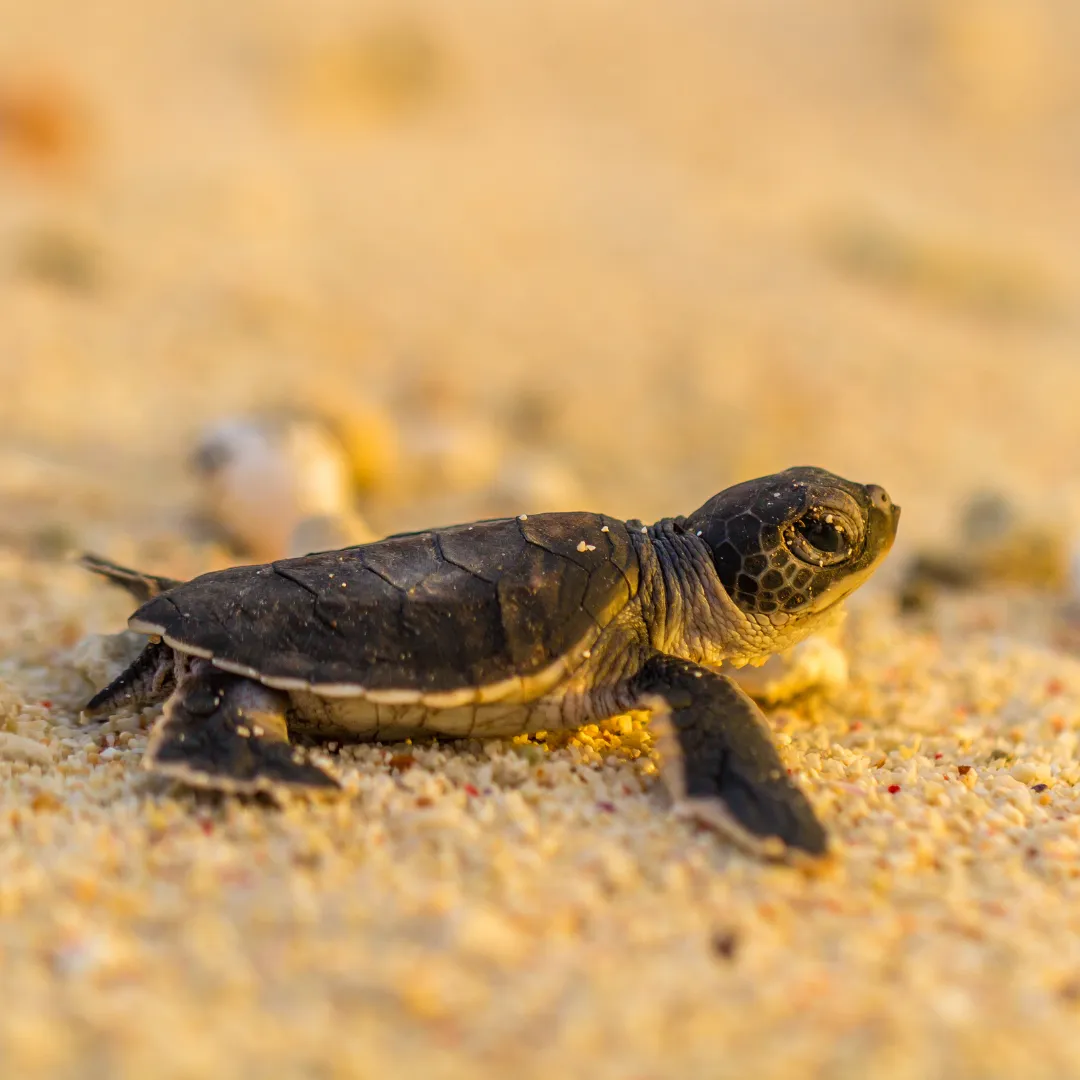
Nesting season runs from November to March, with most hatching between January and April. On Middle Percy, turtles nest at West Bay and occasionally at Whites Bay. At West Bay the residents rope off each nest to protect the eggs during their 6–8 week incubation. The timing depends on the nest site and temperature, which also determines whether the hatchlings are male or female.
Only 1 in 1,000 hatchlings survives to adulthood at 30–40 years, when she can return to this beach to nest and keep the circle of life going. Please keep clear of nest sites.
On 18 November 2024 a nest was laid at West Bay, in front of the Telephone Shed. The photo below shows two nests: one low on the dune, and a false nest on top where the turtle couldn’t dig deep enough for her eggs to incubate. Two more nests were laid in the first week of December. Each female can lay several times during the season, about every two weeks.
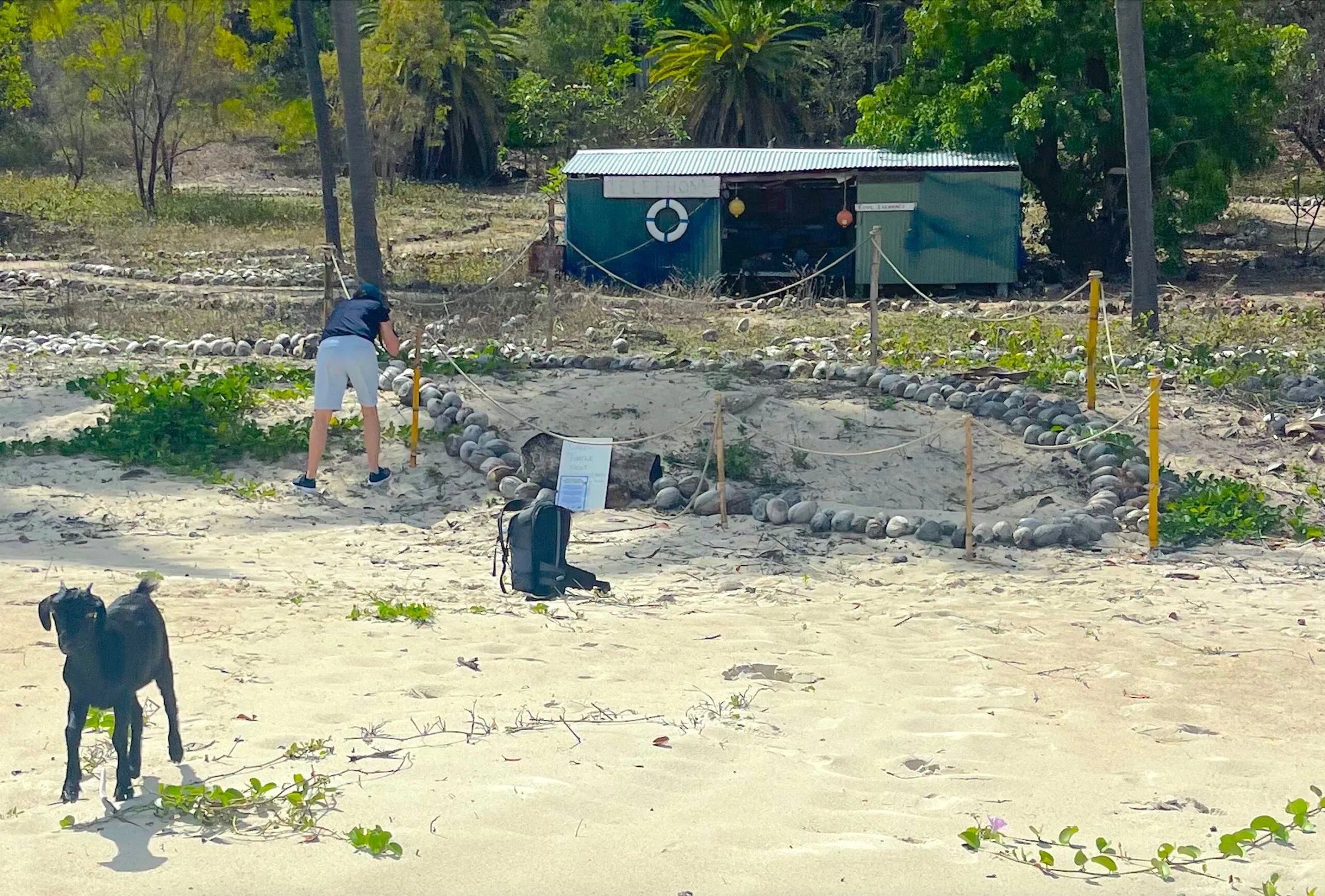
Please keep dogs on a leash at all times. Look, but don’t touch the nests, eggs or hatchlings, and always supervise young children. Teaching them not to interfere with nature is essential.
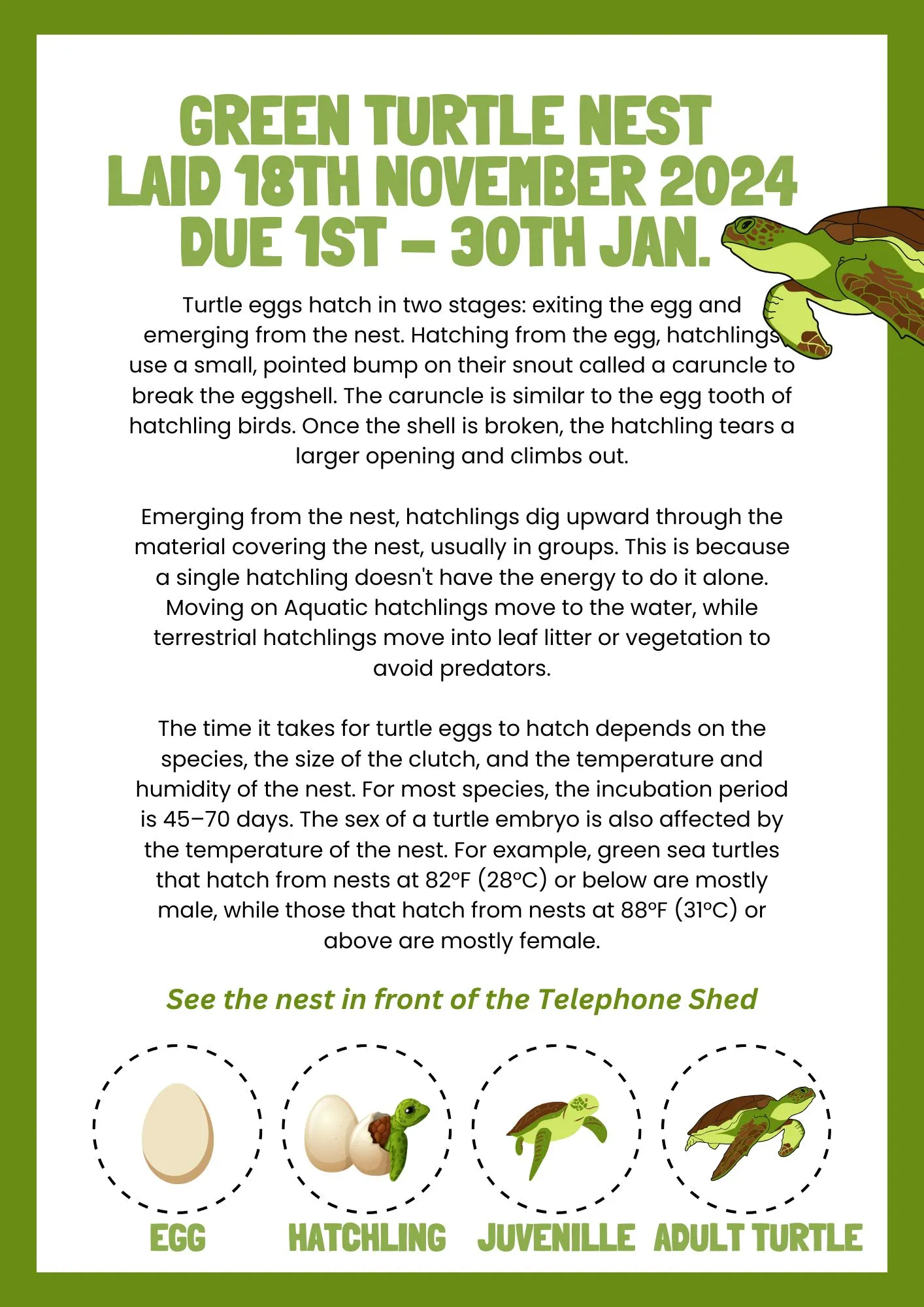
Volunteers can also confirm sightings of green sea turtles from November onwards. Six threatened species of Australian turtles are known to visit Queensland beaches.
Turtles are protected under the Environment Protection and Biodiversity Conservation Act 1999 (EPBC Act). The Nature Conservation Act 1992 also protects threatened marine turtles, and grey nurse sharks, whales, porpoises, dugongs, turtles and dolphins are all no-take species in Queensland waters.
No-take species
The Queensland Government lists the following as no-take species. If you accidentally catch one, please return it to the water immediately and carefully.
- Yabbies: females carrying eggs or young are no-take.
- Mud crabs: females are no-take.
- Oysters: you can only take pearl oysters away from a public oyster reserve or unlicensed oyster ground. All other oysters must be eaten where you catch them.